

These vanilla French beignets are soft, pillowy, and finished with a sweet dusting of powdered sugar. They bring that cozy bakery feel right into your kitchen, with simple ingredients and a beautiful, golden result.
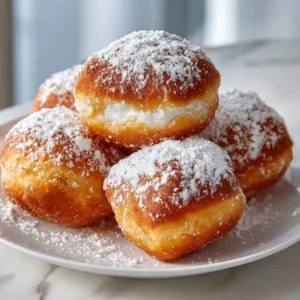
Vanilla French Beignets
Equipment
- 1 Large bowl
- 1 Rolling Pin
- 1 Deep Skillet or Pot
- 1 Paper Towel-Lined Plate
Ingredients
- 3 cup all-purpose flour
- 2 tbsp granulated sugar
- 2 tsp instant yeast
- 1 tsp salt
- 3 4 cup warm milk
- 1 egg
- 2 tbsp butter melted and cooled
- 1 tsp alcohol-free vanilla
- 4 cup oil for frying, such as vegetable or canola oil
- powdered sugar for finishing
Instructions
- Mix the dough: In a large bowl, whisk together the flour, sugar, yeast, and salt. Add the warm milk, egg, melted butter, and alcohol-free vanilla. Stir until a soft dough forms.
- Knead until smooth: Turn the dough onto a lightly floured surface and knead for several minutes, until it feels smooth and elastic. If the dough is sticky, add a little flour at a time, just enough to make it manageable.
- Let it rise: Place the dough in a greased bowl, cover it, and let it rise until doubled in size. This usually takes about 1 hour, depending on the warmth of your kitchen.
- Roll and cut: Gently punch down the dough and roll it out to your desired thickness. Cut it into squares or rectangles, keeping the pieces fairly even so they cook at the same rate.
- Fry until golden: Heat the oil in a deep skillet or pot. Fry the beignets in batches until they are puffed and golden on both sides, then transfer them to a paper towel-lined plate.
- Finish with sugar: While they are still warm, dust the beignets generously with powdered sugar. Serve right away for the best texture and flavor.
Notes
Why You’ll Love This Vanilla French Beignets
There is something so comforting about warm beignets fresh from the pan. The dough is tender, lightly sweet, and scented with alcohol-free vanilla, which gives every bite a lovely homemade flavor.
You will also love how approachable this recipe feels. Even if you have never made fried dough before, the steps are straightforward and the results feel special enough for a weekend breakfast or a sweet afternoon treat.
Vanilla French Beignets Ingredients & Substitutions
Here is what you will need to make these beignets, along with a few simple swaps if needed.
- All-purpose flour, for the soft dough structure
- Granulated sugar, for gentle sweetness
- Instant yeast, to help the dough rise
- Warm milk, to activate the yeast and enrich the dough
- Egg, for softness and a tender crumb
- Butter, melted and cooled
- Alcohol-free vanilla, for classic vanilla flavor
- Salt, to balance the sweetness
- Oil for frying, such as vegetable or canola oil
- Powdered sugar, for finishing
If you need a substitution, you can use almond milk or oat milk in place of regular milk. If you do not have instant yeast, active dry yeast works too, but it may need a little more time to bloom and rise.
Step-by-Step Instructions to Make Vanilla French Beignets
Step 1, Mix the dough
In a large bowl, whisk together the flour, sugar, yeast, and salt. Add the warm milk, egg, melted butter, and alcohol-free vanilla. Stir until a soft dough forms.
Step 2, Knead until smooth
Turn the dough onto a lightly floured surface and knead for several minutes, until it feels smooth and elastic. If the dough is sticky, add a little flour at a time, just enough to make it manageable.
Step 3, Let it rise
Place the dough in a greased bowl, cover it, and let it rise until doubled in size. This usually takes about 1 hour, depending on the warmth of your kitchen.
Step 4, Roll and cut
Gently punch down the dough and roll it out to your desired thickness. Cut it into squares or rectangles, keeping the pieces fairly even so they cook at the same rate.
Step 5, Fry until golden
Heat the oil in a deep skillet or pot. Fry the beignets in batches until they are puffed and golden on both sides, then transfer them to a paper towel-lined plate.
Step 6, Finish with sugar
While they are still warm, dust the beignets generously with powdered sugar. Serve right away for the best texture and flavor.
Tips for Success
Use warm, not hot, milk so the yeast stays active. If the milk is too hot, it can slow the rise and affect the dough.
Do not overcrowd the pan while frying. Giving the beignets space helps them puff properly and stay evenly golden.
For the lightest texture, serve them soon after frying. Beignets are at their very best when the outside is crisp and the inside is still soft and airy.
Variations of Vanilla French Beignets
You can add a little citrus zest to the dough for a brighter flavor. Lemon or orange zest both work beautifully with vanilla.
For a cozy spice note, stir a pinch of cinnamon or nutmeg into the dough or the powdered sugar before dusting.
If you want a filled version, pipe in a little fruit jam, pastry cream, or chocolate spread after frying.
Serving Suggestions: What to Pair with Vanilla French Beignets
These beignets pair nicely with hot coffee, tea, or a creamy latte. A cup of hot chocolate also makes them feel extra indulgent.
For brunch, serve them alongside fresh berries, scrambled eggs, or a simple fruit salad to balance the sweetness.
Storage & Reheating Instructions
Store leftover beignets in an airtight container at room temperature for up to 1 day. They are best enjoyed fresh, but they can still be reheated gently.
To reheat, warm them in a low oven for a few minutes until softened. You can also give them a very short toast in an air fryer for a slightly crisp finish.
Memories Made Around the Table
There is a special kind of joy in setting a plate of warm beignets on the table and watching everyone reach for one. Recipes like this tend to turn an ordinary morning into something worth remembering.
FAQs
Can I make the dough ahead of time?
Yes, you can prepare the dough ahead, then cover and refrigerate it after the first rise. Let it come back to room temperature before rolling and frying.
Why did my beignets turn out dense?
Dense beignets usually mean the dough needed more rising time, the yeast was inactive, or the oil temperature was too low. A properly risen dough and steady heat make a big difference.
Can I bake these instead of frying?
Frying gives beignets their classic texture, but you can bake them if needed. The result will be more like soft rolls than traditional beignets.
What is the best oil temperature for frying?
A medium-high frying temperature works best, usually around 350°F. If the oil is too cool, the beignets absorb too much oil, and if it is too hot, they brown before cooking through.
Final Thoughts
These vanilla French beignets are simple, nostalgic, and wonderfully satisfying to make at home. Once you taste them fresh and warm with a shower of powdered sugar, they may just become a new favorite for special mornings.